

What Makes a Great Corporate Headshot
A strong headshot can shape how clients, partners, and future employees see you before a meeting ever begins. When people search for your name, visit your company website, scan a proposal, or look you up on LinkedIn, your image helps them decide whether you feel credible, approachable, and aligned with the work you do.
Understanding what makes a great corporate headshot comes down to a clear mix of preparation, expression, lighting, wardrobe, background, and brand fit. The best headshots don’t feel stiff or overly polished. They look professional, current, and human.
Creative Olsen works with businesses across Nebraska, Iowa, Kansas, Missouri, and South Dakota to create corporate photography that feels polished without losing personality. For leaders, sales teams, healthcare groups, financial firms, nonprofits, and growing companies, the right headshot can support trust across every place your brand appears.
What a Great Corporate Headshot Should Communicate
A corporate headshot should give people a quick sense of who you are in a professional setting. It should feel intentional, but not forced. It should match the way you want clients, customers, and colleagues to experience your brand.
For some professionals, that means confident and executive. For others, it means warm, approachable, and easy to talk to. A healthcare provider may need a softer image that builds comfort. A law firm partner may want a clean, direct portrait that signals trust. A creative director may want headshot photography with a bit more personality and movement.
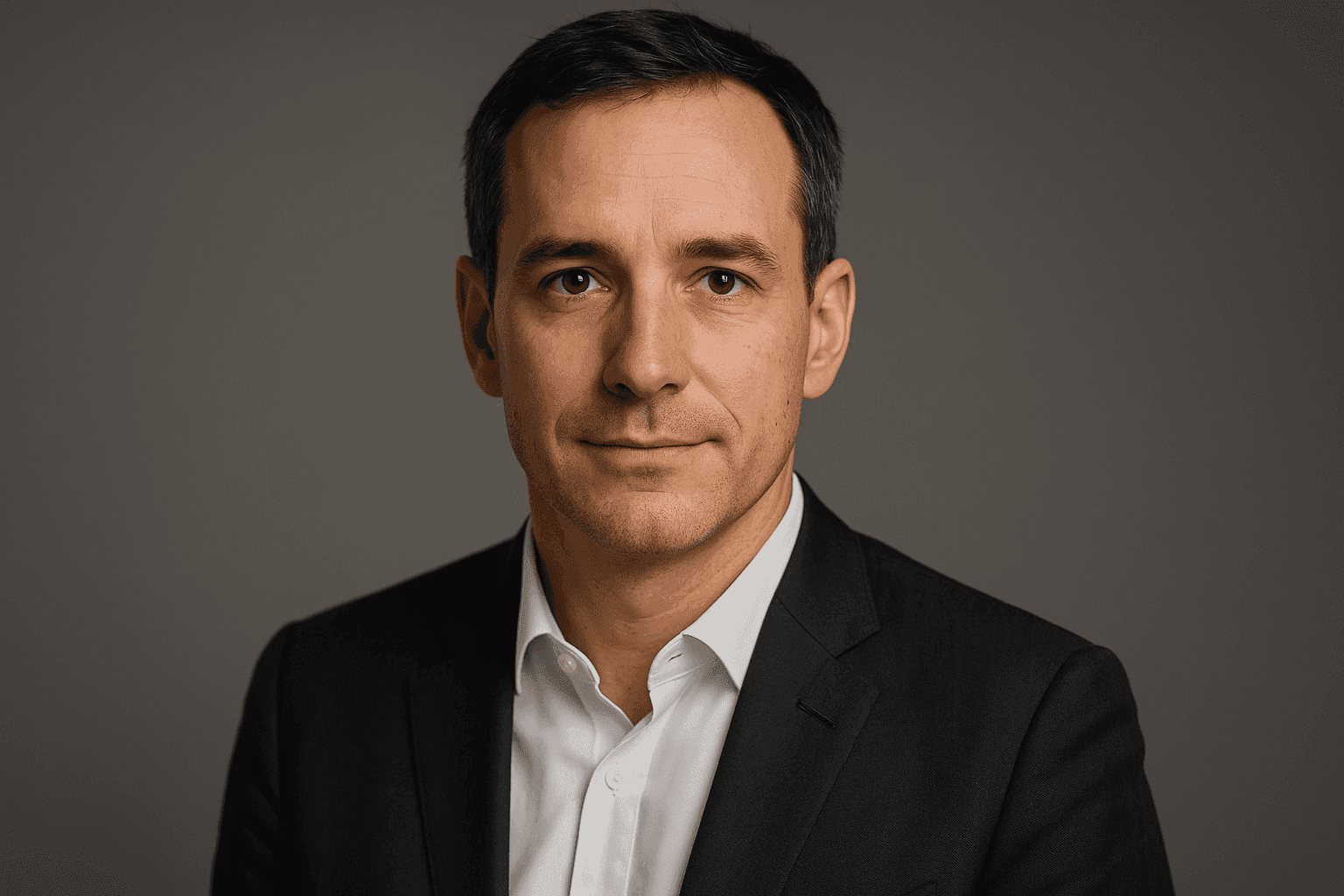
The goal is not to look like someone else. The goal is to look like the best version of yourself on a day when you’re prepared, comfortable, and supported by a skilled photographer.
A professional photographer looks at the full image, not just your face. They consider posture, lighting, camera height, background, wardrobe, expression, and how the final portrait will be used. A headshot for a company website may need to match the rest of the team. A speaker profile may need a stronger presence. A LinkedIn image may need to read clearly at a small size.
Here are 15 tips that help shape stronger headshots:
Choose a photographer who understands business imagery, not just portraits.
Know where the image will be used before the session.
Wear clothing that fits well and reflects your role.
Keep patterns, logos, and loud colors to a minimum.
Use natural shades when you want a clean, timeless look.
Prepare your hair, grooming, and makeup with camera lighting in mind.
Choose a background that supports the brand without pulling attention.
Keep your posture tall but relaxed.
Let your hands, shoulders, and chin be guided during the shoot.
Aim for a natural smile rather than a forced expression.
Make sure the eyes are sharp, bright, and engaged.
Face the front of the camera or turn slightly based on the intended mood.
Keep team headshots consistent across lighting, crop, and style.
Update your headshot when your look, role, or brand changes.
Work with a team that helps you feel comfortable during the process.
A great corporate image should never feel random. Every choice should support the impression you want to make, especially when you understand how professional portraits shape trust across websites, proposals, social media, and sales conversations.
How to Prepare before Having Your Photo Taken
Preparation makes a major difference when having your photo taken. Most people don’t stand in front of a camera every day, so nerves are normal. The right process helps those nerves settle before the first shot.
Start by thinking about the purpose of the headshot session. Are you updating one executive portrait, refreshing a full company team page, creating images for a conference, or building a stronger personal branding presence? The use case helps guide wardrobe, background, expression, and crop.
It also helps to familiarize yourself with what the session will feel like. A strong photographer won’t expect you to know how to pose. They’ll guide you through small adjustments, such as where to turn your shoulders, how to hold your chin, and when to soften your expression. Those details can feel minor in the moment, but they shape the finished image.
Before your session, get enough rest, drink water, and avoid rushing into the studio or office setup at the last second. Give yourself time to settle. If your company has arranged a team shoot, confirm your time slot, outfit, grooming needs, and any brand direction ahead of time.
If you’re coordinating headshots for a full staff, send a short prep note to everyone before the shoot. Include what to wear, what to avoid, where to arrive, and how long each person should expect to be photographed. Clear direction helps the day move smoothly and keeps everyone more relaxed.
For individual professionals, it’s useful to bring a backup jacket, shirt, or blouse. A second option gives the photographer flexibility if one color blends into the background or reflects light in an unflattering way.
Preparation also includes mindset. You don’t need to perform for the camera. You need to show up ready to be directed. The best expressions often come between posed moments, when the photographer gives a small prompt or helps you reset your face. That’s where comfort starts to show.
What to Wear, How to Pose, and What to Avoid
What you wear should match your role, your industry, and the audience you want to reach. A corporate headshot for a bank, law firm, or executive leadership team may call for structured clothing and neutral tones. A brand-forward business owner or creative professional may have room for more texture, color, or personality.
Fit matters most. Clothing that is too loose can look sloppy on camera, while clothing that is too tight can create pulling, wrinkles, or discomfort. Choose pieces that sit cleanly at the shoulders, neckline, and chest. Since most business headshots are cropped from the chest or waist up, the top half of your outfit carries the most visual weight, which is why planning camera-ready clothing choices before the session can make the final image feel more polished.
Solid colors usually photograph better than busy patterns. Subtle texture can work well, but tiny checks, tight stripes, or high-contrast prints can distract from your face. If you wear glasses, clean them before the shoot and let the photographer watch for glare.
Makeup should look like you on a polished day. A light touch can reduce shine, define the eyes, and even skin tone under studio lighting. For people who don’t usually wear makeup, simple grooming still matters. Check hair, facial hair, collars, lint, and jewelry before stepping in front of the camera.
The table below shows how common headshot choices affect the finished image.
Headshot Element | What Works Well | What to Avoid |
|---|---|---|
Wardrobe | Solid colors, clean lines, fitted jackets, brand-appropriate clothing | Loud patterns, wrinkled shirts, distracting logos, poor fit |
Expression | Relaxed eyes, natural smile, calm confidence | Forced grin, tense jaw, blank stare |
Lighting | Soft, even lighting that shapes the face | Harsh shadows, overhead office light, uneven skin tone |
Background | Simple setting that supports the brand | Clutter, bright objects, distracting office details |
Pose | Tall posture, relaxed shoulders, slight angle when useful | Slouching, raised chin, stiff shoulders |
Team Consistency | Similar crop, lighting, and background across staff | Mixed styles that make the team page look disconnected |
Posing is usually where people feel least confident. The good news is that strong posing doesn’t need to feel dramatic. A slight turn of the shoulders, a small shift in weight, and a relaxed jaw can change the whole image.
The 2/3 photo rule is often used as a composition idea. In headshots, it can mean framing the subject so the face sits in a balanced part of the image rather than floating awkwardly in the center or crowding the edge. A skilled photographer may use this approach when creating portraits for website banners, speaker bios, or marketing layouts where text needs to sit beside the image.
The biggest thing to avoid is stiffness. If you hold your breath, lock your knees, or force a smile, the camera will catch it. A good photographer will keep the session moving, offer direction, and help you reset between shots so the final portrait feels natural.
Why Lighting, Camera Angle, and Background Matter
Lighting is one of the fastest ways to separate a casual photo from a professional headshot. Good lighting shapes the face, brings attention to the eyes, and keeps skin tone balanced. Poor lighting can create shadows under the eyes, flatten facial features, or make the image look unpolished.
Studio lighting gives the photographer control. It allows the final headshots to stay consistent, even when photographing a full team. On-location lighting can also work well when handled correctly. Natural window light can be flattering, but it changes throughout the day, so it needs to be managed with care.
Camera angle matters just as much. A camera placed too low can distort the face and make the posture feel less flattering. A camera placed too high can make the subject look smaller or less confident. For most corporate portraits, the camera should sit near eye level, with small adjustments based on face shape, height, and desired tone.
Facing the front can create a direct, confident image. A slight angle can soften the pose and add depth. Neither choice is automatically better. The right option depends on the person, brand, and use of the image.
Background is another major part of the final impression. A clean studio background keeps attention on the person. A workplace background can add context and make the image feel connected to the company. An environmental portrait can work well for executives, founders, and professionals whose setting tells part of their story.
The background should never compete with the subject. If the viewer notices a plant, exit sign, cluttered desk, or bright object before they notice your face, the setting is working against the image.
Creative Olsen’s commercial photography work often blends technical polish with real business context. For Midwest companies, that can mean headshots captured in a studio setup, at the office, or alongside broader brand photography. When the headshots, team portraits, workplace imagery, and video content all feel connected, the brand looks more consistent across every platform.
When a DIY Professional Headshot Can Work
A DIY professional headshot can work when you need a temporary image, a quick update, or a simple profile photo before a formal shoot is scheduled. Modern phone cameras are strong enough to create a decent image when you pay attention to light, background, and framing.
An iPhone can be useful for remote employees, new hires, or small teams that need something better than a cropped vacation photo. Still, a phone image has limits. It may not match the lighting, consistency, and polish of a professional headshot, especially across a full company team.
If you need to take a quick headshot yourself, use these steps:
Stand near a large window with soft light on your face.
Avoid direct sun, overhead office light, and dark rooms.
Use the rear camera for better image quality.
Place the phone at eye level, not below your face.
Choose a simple background with no clutter.
Wear the same type of clothing you would choose for a professional session.
Take several shots with small changes in expression and posture.
Leave enough space around your head and shoulders for cropping.
Ask someone else to take the photo if possible.
Self-taken headshots are best for short-term use. They can help you look current on LinkedIn, internal directories, or temporary staff pages. They’re not the best choice for executive teams, proposals, media kits, recruiting campaigns, or company websites where consistency matters.
For growing companies, mismatched headshots can make a team page feel unfinished. One person may have a cropped selfie, another may have a studio portrait, and another may have an outdoor photo with different lighting. That mix can weaken the overall impression, even if each individual photo is fine on its own.
A planned team session solves that problem. It gives everyone the same lighting style, crop, background, and level of polish. It also saves employees from guessing how to pose, where to stand, or what looks professional on camera.
Make Your Team Look Polished with Creative Olsen
A strong corporate headshot helps people feel like they know you before they meet you. It supports credibility, builds trust, and gives your brand a consistent visual standard across websites, proposals, social media, press materials, and internal communications.
For Midwest businesses, professional headshots also create a shared sense of quality. When every leader, staff member, and public-facing employee is photographed with the same care, the company looks organized and ready to be trusted.
Creative Olsen helps businesses across Nebraska, Iowa, Kansas, Missouri, and South Dakota create professional corporate imagery that feels authentic, polished, and aligned with the brand. From individual executive portraits to full company headshot sessions, the team brings direction, lighting, planning, and a calm process that helps people feel comfortable in front of the camera.
If your headshots feel outdated, inconsistent, or disconnected from the way your company looks today, it may be time for a refresh. Reach out to Creative Olsen to plan a headshot session that gives your team confident, approachable images built for modern business use.


