
The Rise of Drone Videography Aerial Photography in Modern Business
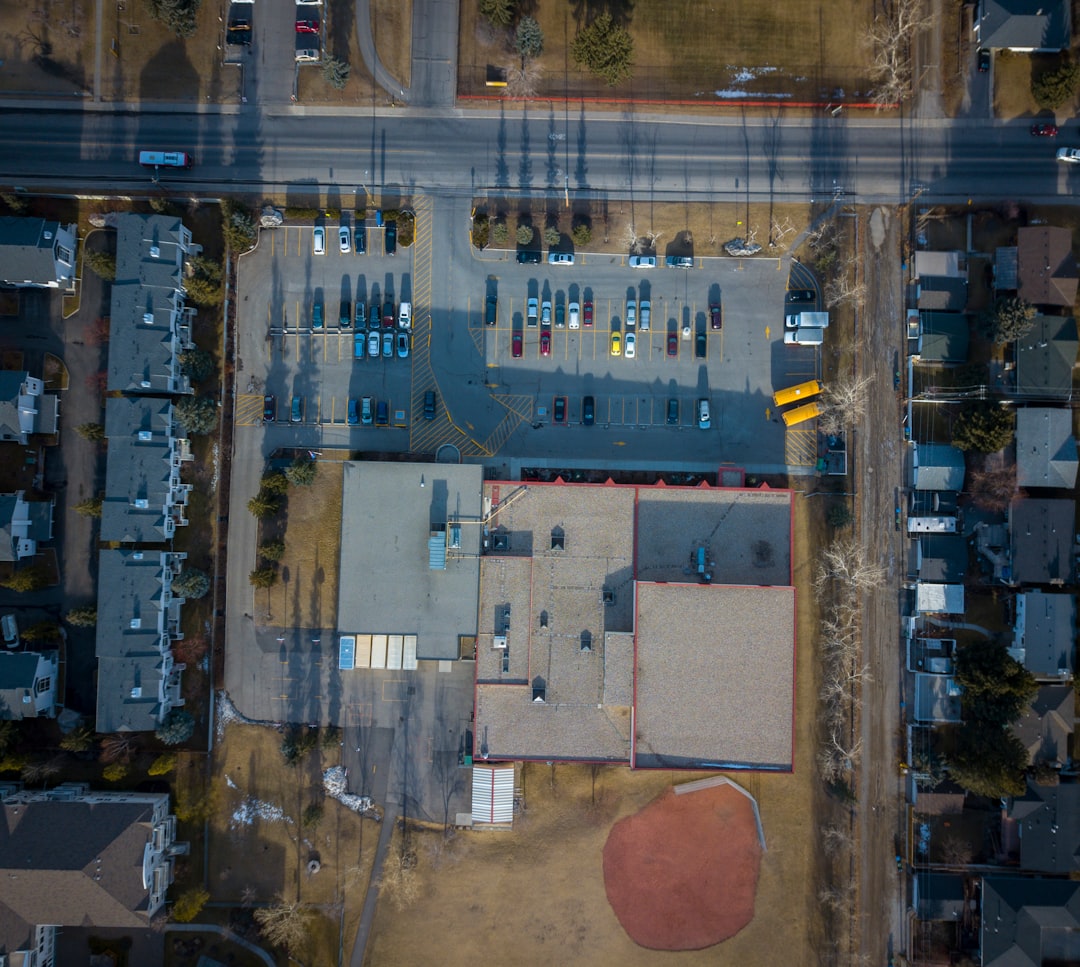
The rapid adoption of drone videography aerial photography isn't just about the "cool factor" of flying cameras. It represents a fundamental shift in market accessibility. Historically, if a developer in Omaha or a logistics firm in Kansas City wanted aerial views of their facilities, they had to hire a piloted aircraft. This was expensive, required weeks of planning, and offered limited flexibility in terms of camera angles.
Today, professional UAV technology has democratized the sky. At Creative Olsen, we see how Professional Drone Videography Aerial Photography Services provide businesses with a competitive edge by injecting visual drama into their brand storytelling. It’s no longer a luxury reserved for Hollywood sets; it is a standard tool for any organization that needs to demonstrate scale, progress, or geographic advantage.
Industry Applications for Drone Videography Aerial Photography
While drones are used in many hobbies, their commercial utility is concentrated in several key sectors:
Commercial Real Estate: Identifying retail visibility, parking capacity, and proximity to major highways.
Construction Monitoring: Providing stakeholders with regular visual updates on project milestones.
Infrastructure Inspection: Safely checking roofs, cell towers, and bridges for maintenance needs without putting human inspectors at risk.
Corporate Marketing: Creating high-impact "hero" shots for websites, annual reports, and social media.
Why Aerial Perspectives Drive Results
Why does an aerial shot outperform a ground shot in a board room? It comes down to outsized attention. Human beings are naturally drawn to perspectives they don't see every day. For a commercial property, an aerial view helps drive investor engagement by showing the "big picture"—how a site interacts with its environment. This narrative continuity ensures that your marketing materials aren't just a collection of disjointed photos, but a cohesive story of a business's place in the world.
Core Applications Across Corporate Industries
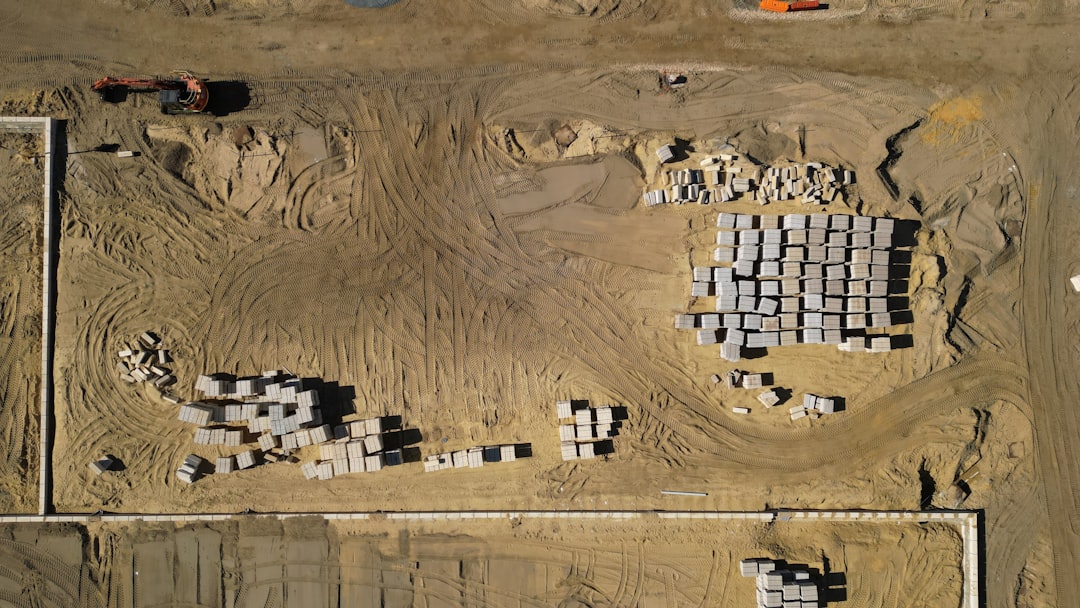
In the corporate world, drones are workhorses. They are used for everything from high-level site surveys to creating 3D models that allow engineers to take data-driven measurements from their desks. You can see examples of these diverse applications in our Creative Olsen Corporate Portfolio.
Commercial Real Estate and Property Marketing with Drone Videography Aerial Photography
In real estate, "location, location, location" is the mantra. Drone videography aerial photography is the only way to prove that location. We use drones to highlight:
Retail Visibility: Showing exactly how a storefront appears to passing traffic on adjacent roads.
Access Roads: Mapping out the flow of logistics and customer entry points.
Virtual Twilight: Using advanced post-production to simulate the "golden hour" for properties filmed during the day, making signage and window lights pop.
Property Outlines: Digitally overlaying boundary lines on live footage so investors can see the exact footprint of a parcel.
Construction Progress and Infrastructure Documentation
For project managers in the Midwest, drones are essential for safety compliance and project management. Instead of walking a muddy site with a camera, a pilot can capture an entire 40-acre development in minutes.
Orthomosaic Mapping: Creating high-resolution maps (up to 0.7 in/px) by stitching hundreds of aerial photos together.
Thermal Inspection: Using heat-sensing cameras to detect moisture in roofing or heat leaks in industrial HVAC systems.
Corporate Events and Brand Documentaries
Whether it’s a grand opening of a new facility in Des Moines or a brand documentary in Wichita, aerial footage provides the "establishing shot" that sets the scene. It gives your audience a sense of place and prestige that ground cameras simply cannot replicate.
Essential Equipment and Technical Mastery
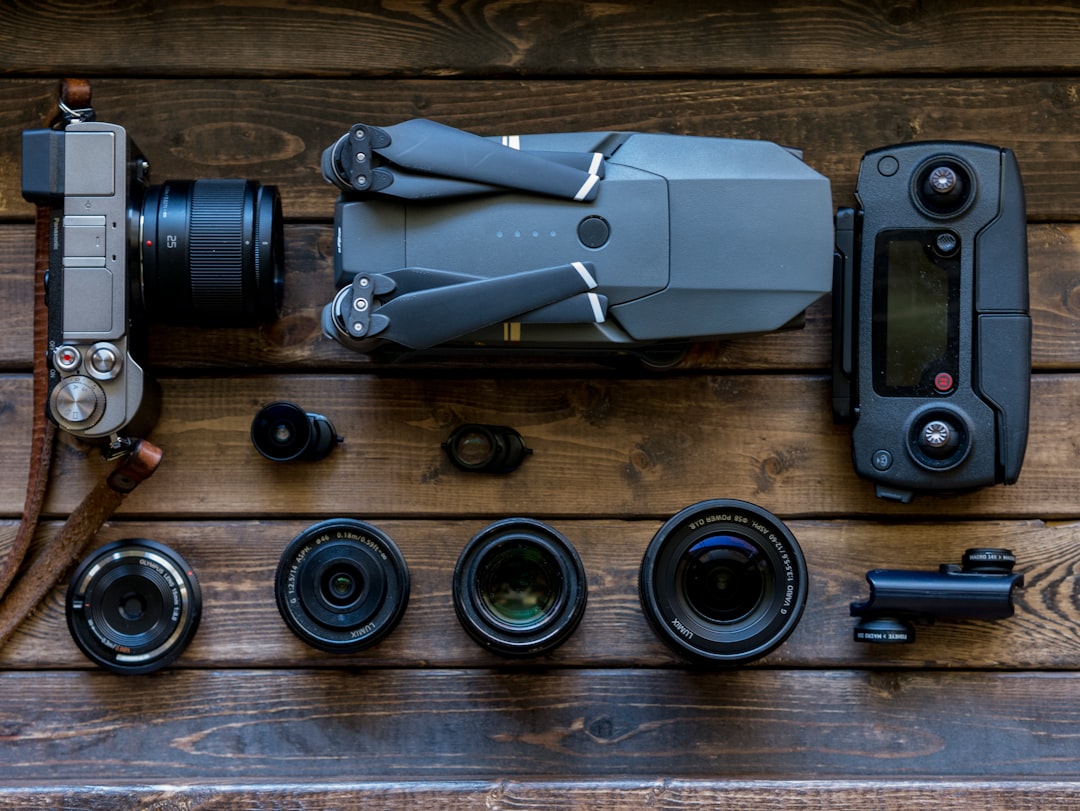
To the uninitiated, all drones look like "flying spiders." However, the gap between a consumer toy and professional equipment is vast. Professional drone videography requires high-bitrate sensors, interchangeable lenses, and robust stabilization systems.
Choosing the Right Drone Videography Aerial Photography Gear
When we evaluate gear for a shoot, we look at four primary factors:
Sensor Size: A larger sensor (like a 1-inch or Full Frame) performs better in low light and provides more dynamic range.
Flight Time: Most professional batteries offer 20–30 minutes of "real world" flight time. We always carry multiple sets to ensure we can film for 2–4 hours if needed.
Transmission Range: While legal flight requires staying within visual line-of-sight, a strong transmission range (up to 9.3 miles on some prosumer models) ensures a lag-free video feed for the pilot.
Payload Capacity: Cinema-grade drones like the DJI Inspire series can carry heavy professional cameras, providing 6K or even 8K RAW video.
Category | Typical Model | Best Use Case | Resolution |
|---|---|---|---|
Beginner/Entry | DJI Mini Series | Quick social media, small sites | 4K |
Prosumer | DJI Mavic 3 Cine | Real estate, corporate promos | 5.1K / ProRes |
Professional | DJI Inspire 3 | High-end cinema, TV, big brands | 8K RAW |
Mastering Cinematic Flight Maneuvers
A drone is just a tool; the "magic" is in how you move it. Professional pilots avoid "jerky" movements, instead focusing on:
Orbit Shots: Flying in a perfect circle around a building while keeping the camera locked on the center.
Reveal Shots: Starting low behind an obstacle and rising quickly to "reveal" the property.
Top-Down (Bird’s Eye): Looking straight down to show patterns, property lines, or construction layouts.
The 180-Degree Shutter Rule: Setting the shutter speed to double the frame rate (e.g., 1/50th for 24fps) to create natural-looking motion blur.
Essential Accessories for Professional Shoots
Beyond the drone, we rely on ND (Neutral Density) filters, which act like sunglasses for the camera, allowing us to maintain cinematic settings even in the bright Midwest sun. High-speed SD cards and mobile editing workstations are also non-negotiable for meeting the 48-hour turnaround times expected in today's market.
Navigating Legal Requirements and Safety Protocols
Safety is the most important part of any flight. In the United States, the Federal Aviation Administration (FAA) regulates the sky. If you are using a drone for any business purpose—even if no money changes hands—you must follow Part 107 regulations.
Commercial Certification and Insurance
Every pilot we work with holds a Remote Pilot Certificate (FAA Part 107). This ensures they understand airspace classes, weather patterns, and emergency procedures. Furthermore, professional operations carry significant liability insurance. While $1 million is standard, many high-end commercial sites require $10 million in coverage to mitigate risk. You can learn more about these standards in our guide on Professional Aerial Video Production Services In Nebraska.
Pre-Flight Planning and Risk Mitigation
Before the propellers even spin, we perform a rigorous check:
LAANC Authorization: Using the Low Altitude Authorization and Notification Capability to get instant permission to fly near airports (like Omaha Eppley or Kansas City International).
Weather Monitoring: We generally do not fly in winds exceeding 20-25 mph or in any form of precipitation.
Site Scouting: Identifying power lines, towers, and "emergency hover zones" where the drone can go if a manned aircraft enters the area.
Professional Post-Production and Editing Techniques
Raw drone footage is like a raw diamond—it needs polishing to shine. The "real magic" happens in suites like DaVinci Resolve or Adobe Creative Cloud. This is where we turn a flight into a finished marketing asset.
Advanced Visual Enhancements
Sometimes the weather doesn't cooperate. If we shoot on a gloomy day in Iowa, we use Blue Sky Replacement to ensure the final video looks inviting. For commercial retail, we utilize Virtual Twilight to simulate the beautiful glow of dusk, and we add motion graphics to label buildings or highlight access points.
Integrating Aerial and Ground Footage
A common mistake is having a video that is only aerial shots. This can feel disconnected. We use a "Sky to Street" methodology, matching frame rates and color grades so that the transition from a 300-foot reveal to a ground-level lobby walkthrough is seamless. Professional sound design and voiceovers are then layered in to complete the brand narrative. If you're ready to see how this comes together for your brand, Contact Creative Olsen for Custom Media Solutions.
Frequently Asked Questions about Drone Imaging
Is drone videography profitable for corporate businesses?
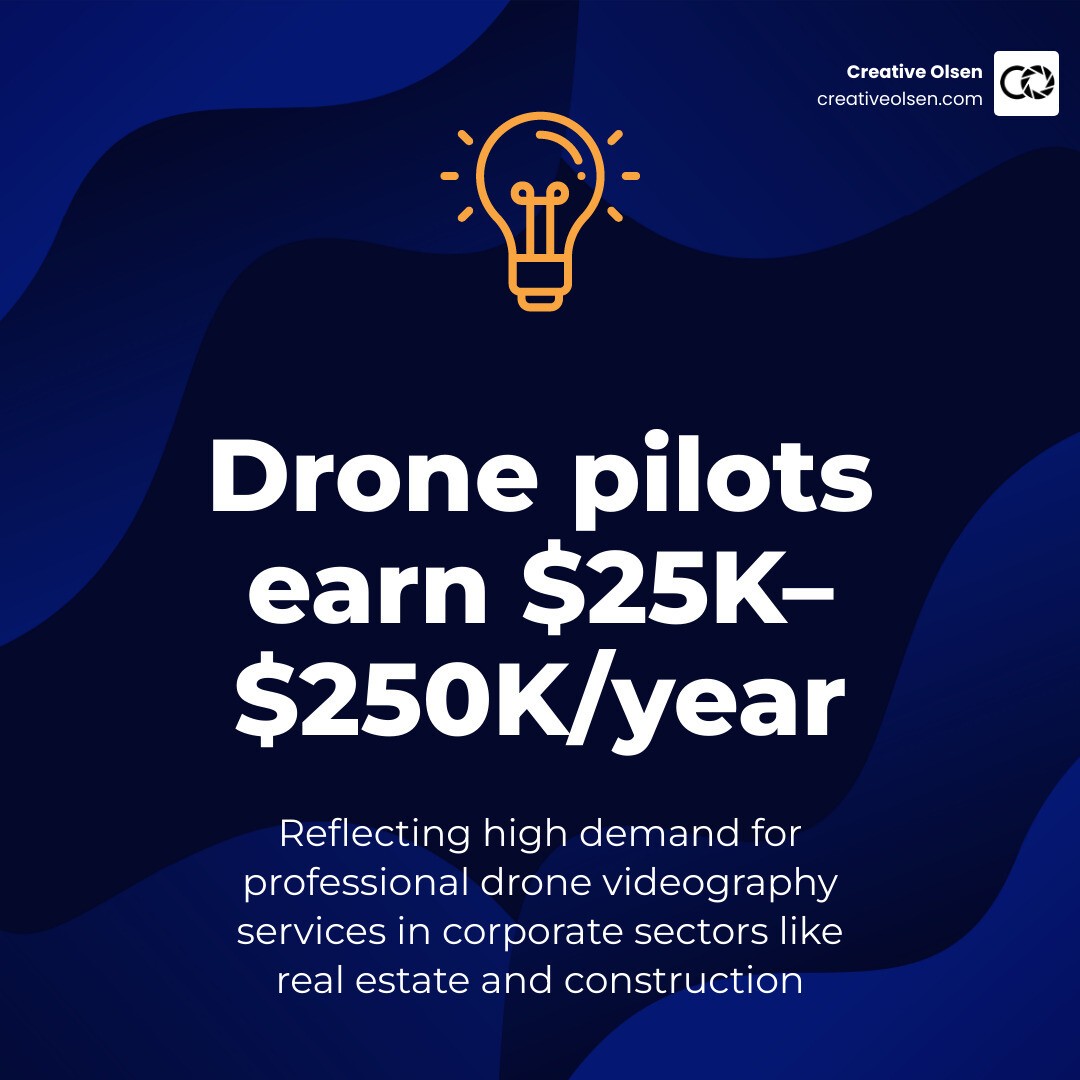
Absolutely. While the initial investment in a professional pilot may seem higher than a "DIY" approach, the ROI comes from faster sales cycles in real estate and better stakeholder buy-in for construction. Commercial drone pilots can earn anywhere from $25,000 to $250,000 a year, reflecting the high value businesses place on these services.
What are the weather limitations for safe drone operations?
We generally look for wind speeds under 15–20 knots and visibility of at least 3 statute miles. In the Midwest, temperature is also a factor; extreme cold can significantly reduce battery life, requiring specialized "battery heaters" or shorter flight durations.
Do I need a license for commercial drone videography?
Yes. In the US, the FAA requires a Part 107 license for any flight that is not strictly for recreation. If the footage is used to promote a business, sell a house, or document a job site, it is commercial.
Conclusion
Drone videography aerial photography has evolved from a niche hobby into an essential corporate tool. Whether you are marketing a luxury development in Nebraska, tracking a massive construction project in Kansas, or documenting a corporate milestone in Missouri, the view from above provides a perspective that ground-level cameras simply cannot match.
At Creative Olsen, we specialize in bridging that gap—combining technical flight mastery with a results-driven creative strategy. We serve the entire Midwest media industry, including Nebraska, Kansas, Iowa, Missouri, and South Dakota, ensuring your brand purpose is reflected in every frame.
Ready to elevate your project? Explore our Drone Videography Aerial Photography services today and let's capture your story from a new perspective.


